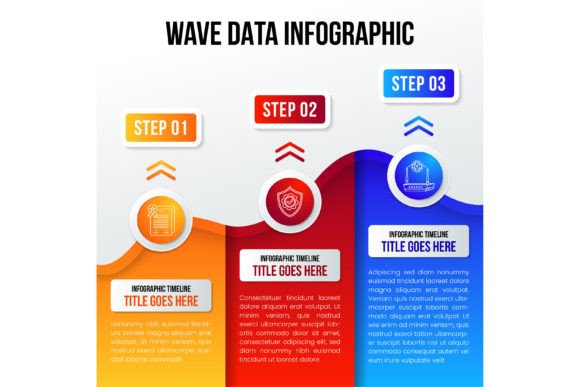
Wave Data Infographic Timeline
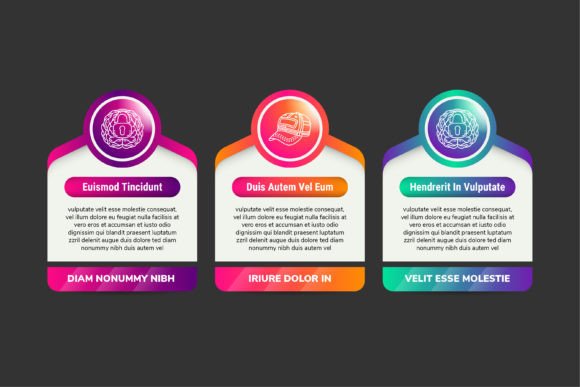
The Wave Data Infographic Timeline is a clean, modern design that brings a sense of structure and clarity to any project. Its minimalist approach, with three distinct steps and circular icons, makes it ideal for visual storytelling. The red, yellow, and blue gradient wave element adds a dynamic touch without overwhelming the overall layout.
First Impressions: A Design That Speaks Clearly
As soon as I laid eyes on the Wave Data Infographic Timeline, I noticed its balance between simplicity and sophistication. The square layout gives it a professional feel, while the circular icons add a touch of personality. It’s not overly complex, which is a big plus for embroidery projects where clarity is key.
The gradient wave element is subtle but effective. It doesn’t dominate the design, allowing the timeline to remain the focal point. This makes it versatile for a range of applications—from small handmade items to larger commercial pieces.
For an embroidery designer, this means the design can be adapted to different scales without losing its visual impact. Whether it’s a custom embroidered tote bag or a personalized baby onesie, the Wave Data Infographic Timeline has the potential to elevate the finished product.
Real-World Use: From Tote Bags to Holiday Gifts
Imagine a client who wants a custom sweatshirt for their boutique. The Wave Data Infographic Timeline could serve as the perfect centerpiece, adding a modern, data-driven aesthetic. It would work well on light-colored fabrics, where the colors can pop without being too harsh.
For a holiday gift, say a personalized kitchen towel, the design could be used to highlight a family history or a seasonal theme. The three-step layout allows for easy customization, making it a great choice for handmade shops or Etsy sellers looking for unique, ready-to-use designs.
On a baby item, like a onesie or a blanket, the design’s clean lines and minimalism make it safe and appealing. The circular icons are easy to stitch and won’t look cluttered, even when scaled down for smaller projects.
Considerations for Embroidery Success
While the Wave Data Infographic Timeline is visually strong, it does require careful handling in real embroidery situations. For instance, on small hoop sizes, some details may get lost. It’s important to test the design on scrap fabric before committing to a final project.
Textured or stretchy fabrics can also affect how the design looks. A satin stitch might not hold up as well on a knitted sweater, so using a proper stabilizer is essential. Thin or dark fabrics may require adjusting thread colors to ensure visibility and contrast.
If you're planning to use the design on curved surfaces like caps or hoods, pay attention to the corners and edges. Some areas may need additional support to prevent distortion during stitching.
Design Quality and Practical Value
The Wave Data Infographic Timeline has a high level of detail that translates well into machine embroidery. The vector design ensures sharp lines and consistent shapes, which is crucial for maintaining quality across different fabric types and project sizes.
For small business owners, this design offers a professional edge. It can be used in printable mockups, digital product previews, or as part of a branding strategy. Its clean layout makes it easy to integrate into existing design assets without clashing.
When it comes to customer trust and buyer engagement, a well-executed design like this can make a big difference. It signals professionalism and attention to detail—qualities that are especially important for handmade products and custom apparel.
Key Tips for Embroidery Designers
- Test the design on different fabrics before finalizing a project.
- Check thread color contrast, especially on dark or light backgrounds.
- Review stitch density to avoid overcrowding or thin areas.
- Confirm the correct hoop size for your machine and project.
- Inspect small details, such as lettering or icon outlines, for clarity.
- Use black and white mockups to see how the design will look in monochrome.
- Ensure the design works for both personal and commercial use.
- Verify licensing terms before selling finished products or digital files.
Where to Use With Caution
The Wave Data Infographic Timeline is best suited for flat, smooth surfaces. On textured or stretchy fabrics, the design may not appear as crisp. Similarly, on dark fabrics, the gradient wave might blend in too much, reducing its visual impact.
For layered garments or curved surfaces, consider simplifying the design slightly to maintain legibility. Tiny lettering or dense stitch areas may require adjustments to ensure they stay intact after washing and wear.
It’s also worth noting that the design’s minimalistic nature may not appeal to all audiences. If you’re targeting a more traditional or ornate market, you may want to explore other options. However, for modern, clean aesthetics, this design is a solid choice.
Final Thoughts: A Smart Choice for Creative Entrepreneurs
The Wave Data Infographic Timeline is a thoughtful, practical design that offers a lot of flexibility. Whether you're an Etsy seller, a craft business owner, or a creative entrepreneur, this design can add value to your product line.
Its clean layout, clear structure, and modern aesthetic make it ideal for a wide range of embroidery projects. With proper testing and consideration, it can become a staple in your design library, helping you create beautiful, professional-looking finished products that stand out in the market.