Infographic Chart Element Doodle. Hand D
A Hand-Drawn Graphic for Creative Projects
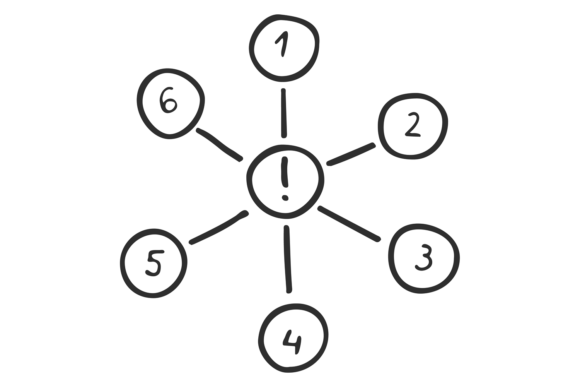
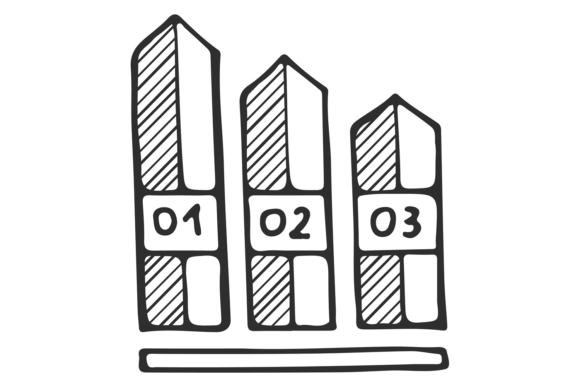
Infographic Chart Element Doodle. Hand D immediately catches the eye with its warm, organic feel. The hand-drawn labels and simple shapes evoke a sense of approachability and creativity, making it ideal for projects that benefit from a personal touch. This design element feels like a natural extension of a handmade brand or a small business looking to add a unique visual flair to their marketing materials.
Style and Mood: A Touch of Whimsy
The doodle’s soft lines and casual layout create a friendly, playful mood. It doesn’t scream professionalism but instead offers a relaxed, almost nostalgic vibe. This makes it perfect for seasonal campaigns, handmade product lines, or any project aiming to feel more human and less corporate. The white background ensures clarity, allowing the design to stand out without competing with other elements.
Where It Shines in Real Design Work
Infographic Chart Element Doodle. Hand D excels in situations where a bit of personality is needed. In logo design, it can serve as a subtle accent or a secondary mark. For brand identity, it adds a handcrafted feel that complements a more minimalist or nature-inspired aesthetic. Product labels and packaging design can benefit from its charm, especially for eco-friendly or artisanal brands.
In posters, flyers, and invitations, this doodle brings a sense of warmth that can make printed materials feel more inviting. Sticker design, t-shirt design, and merchandise like mugs or tote bags can all be enhanced with this graphic. Its versatility also makes it a great addition to digital ads, Pinterest pins, and Instagram posts, where visual interest is key.
When used in Canva templates or Cricut projects, the design offers a quick way to add a custom look without needing advanced design skills. It works well as a clipart element in editorial design or as part of a larger design bundle meant for print-on-demand sellers or Etsy products.
Best Uses: Large Layouts and Themed Designs
This design thrives in large layout areas, where its details can be fully appreciated. Hero graphics on websites or social media posts can use it to draw attention while maintaining a cohesive theme. Product mockups, especially those for handmade or themed items, can benefit from its visual appeal.
Decorative accents in themed collections—like holiday or seasonal campaigns—can leverage the doodle’s whimsical nature. Campaign visuals, packaging details, and printable designs all gain a unique edge when this element is included. It’s also a solid choice for supporting brand elements that need a touch of creativity without overwhelming the overall message.
Uses to Approach with Caution
While Infographic Chart Element Doodle. Hand D has its strengths, it’s not suitable for every project. In small sizes, the details may become too faint or lost in the overall composition. Crowded layouts risk making the design feel cluttered rather than charming.
Complex backgrounds can clash with the doodle’s simplicity, and low-contrast designs might make it hard to read. Minimalist branding or professional corporate materials may find the style too informal. If the goal is clean visual hierarchy, this asset could undermine the intended tone.
Impact on Readability and Branding
Readability is a concern when using this design in text-heavy contexts. While the labels are clear, they’re not meant to be the main focus of a message. Instead, they work best as supplementary elements that enhance the visual mood without distracting from the core content.
Brand consistency can be maintained if the doodle aligns with the overall design language. However, it’s important to ensure that the hand-drawn style doesn’t conflict with other elements. Visual trust and recognition may suffer if the design feels out of place or inconsistent with the brand’s established identity.
Emotional appeal is one of its strongest points. The doodle can evoke nostalgia, creativity, and a sense of authenticity—key factors in audience engagement. For small business branding or handmade businesses, this design can help build a stronger connection with customers.
Practical Designer Notes
Before using Infographic Chart Element Doodle. Hand D in a client project, test it in black and white to see how it holds up without color. Check contrast on both light and dark backgrounds to ensure visibility. Preview it at various sizes to confirm that it remains legible and effective.
Place it on real mockups to see how it integrates into the final design. Test print quality to ensure that the details don’t get lost when printed on t-shirts, mugs, or other products. Review file formats—EPS, JPG, SVG, and transparent PNG—to confirm compatibility with your workflow.
If transparency is involved, inspect the PNG design carefully. For SVG files, check editability to ensure you can adjust the design as needed. Compare the doodle with different font styles, such as serif, sans serif, script, or display fonts, to see how it interacts with typography.
Always confirm commercial licensing before using the design for a client or business project. Make sure it’s suitable for use in digital products, printable designs, or commercial design assets without legal issues.
Conclusion: A Versatile Asset for the Right Project
Infographic Chart Element Doodle. Hand D is a valuable graphic design asset for creatives working on handmade businesses, small business branding, or projects that benefit from a personal touch. Its hand-drawn style adds character and warmth, making it a great choice for social media graphics, packaging design, or creative marketplace products.
While it may not fit every project, when used thoughtfully, it can elevate the visual mood and bring a sense of authenticity to a design. Whether you're working on a Canva template, a Cricut project, or a print-on-demand product, this doodle offers a unique way to express creativity without sacrificing quality or clarity.